Can quantum information help an agent learn better?
A visual guide to Q-UCRL: how quantum information changes what an agent can learn, and what its theoretical guarantee actually means.
Read the research note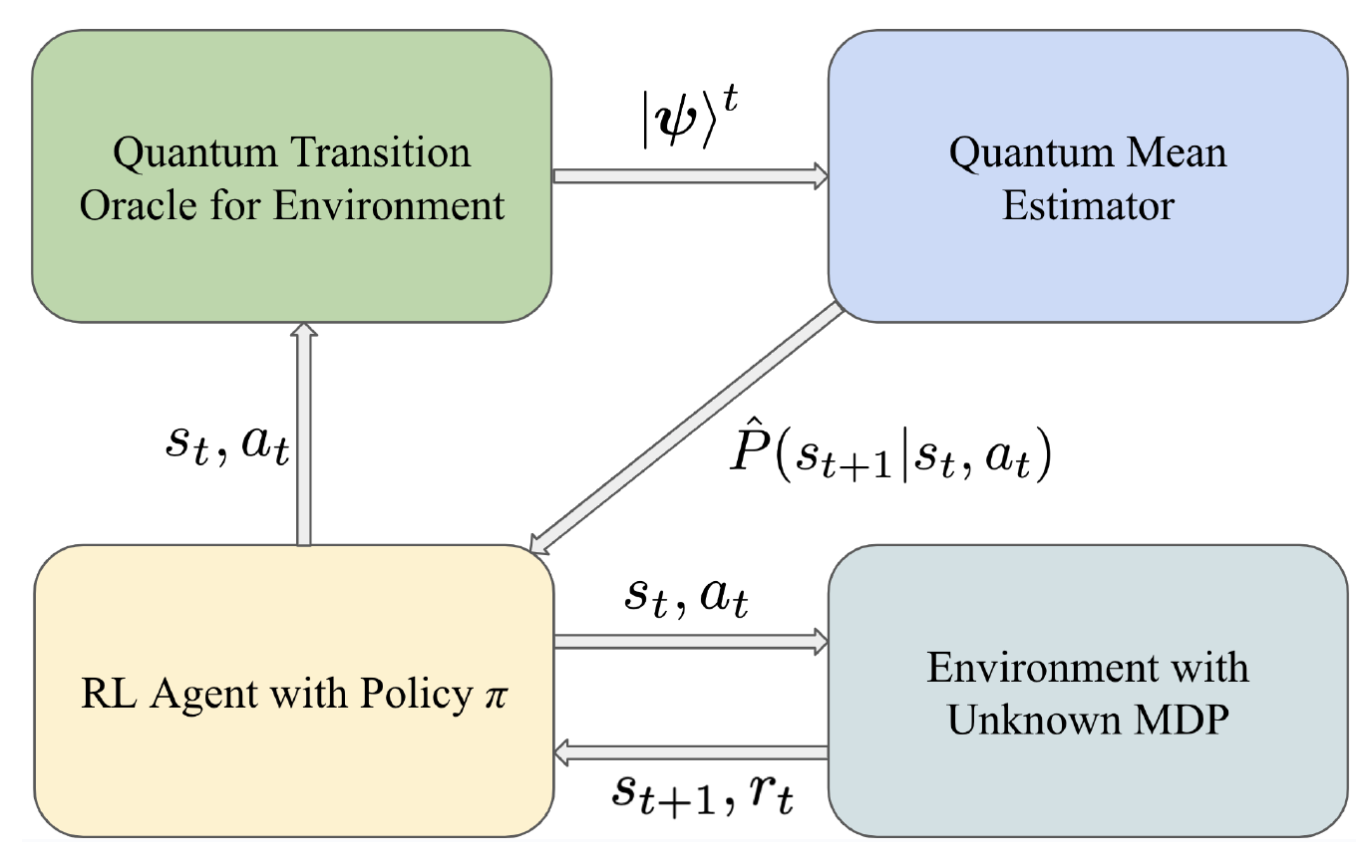
Research notes
A closer look at the questions, methods, and evidence behind my research.
A visual guide to Q-UCRL: how quantum information changes what an agent can learn, and what its theoretical guarantee actually means.
Read the research noteCE-FL shares training across devices and edge servers. See how moving the aggregation point can reduce waiting and energy use.
Read the research note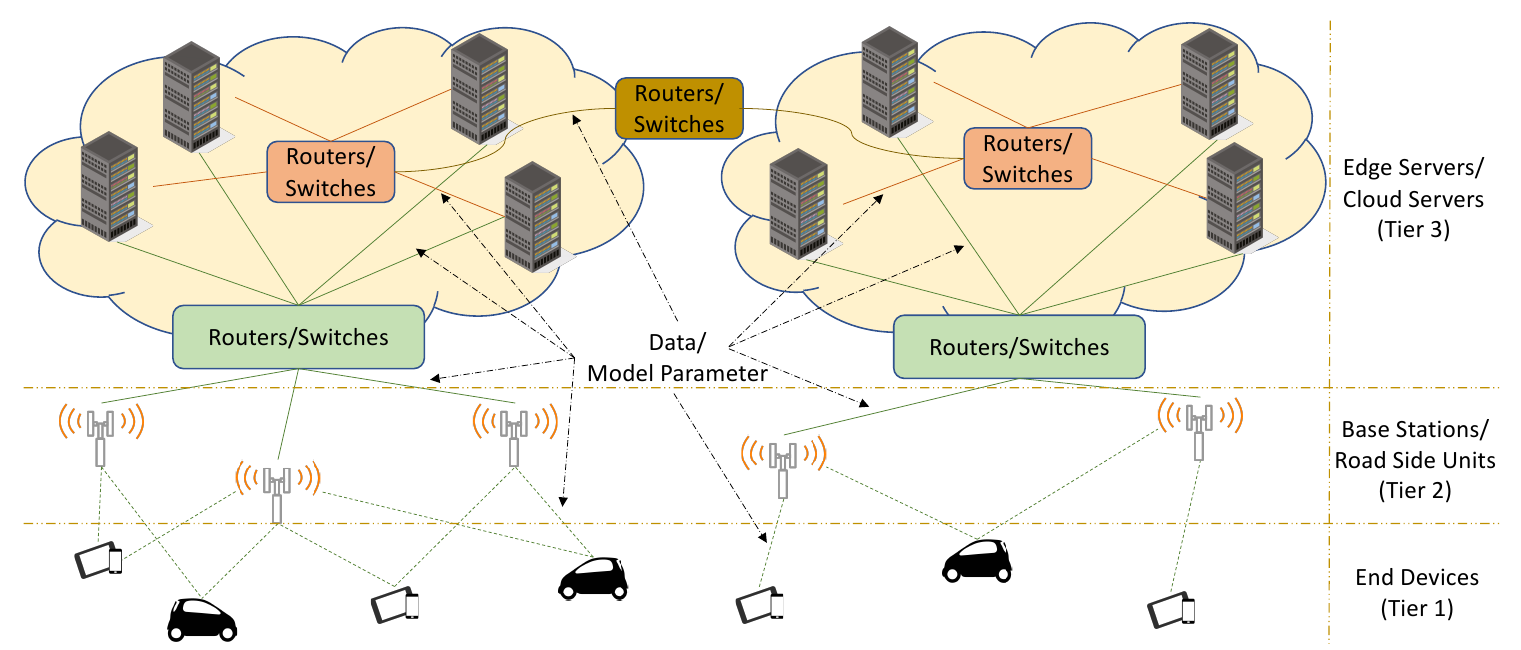
Sharing experience helps parallel agents learn, but constant check-ins add overhead. DIST-UCRL makes synchronization depend on collected experience. This visual overview pairs learning curves with communication counts to show what the method preserves—and what it saves.
Read the research note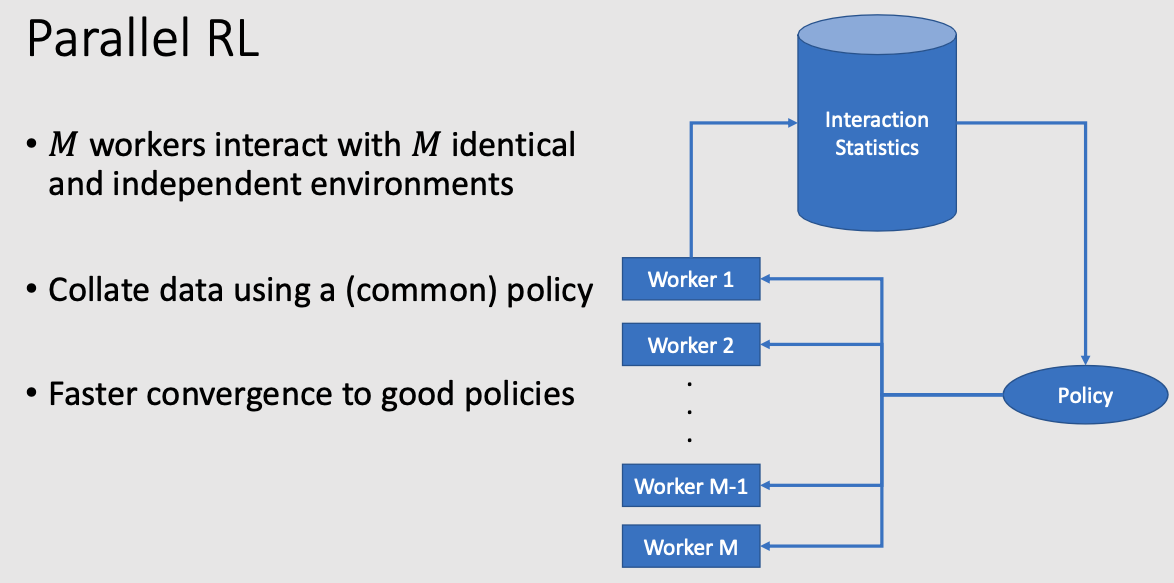
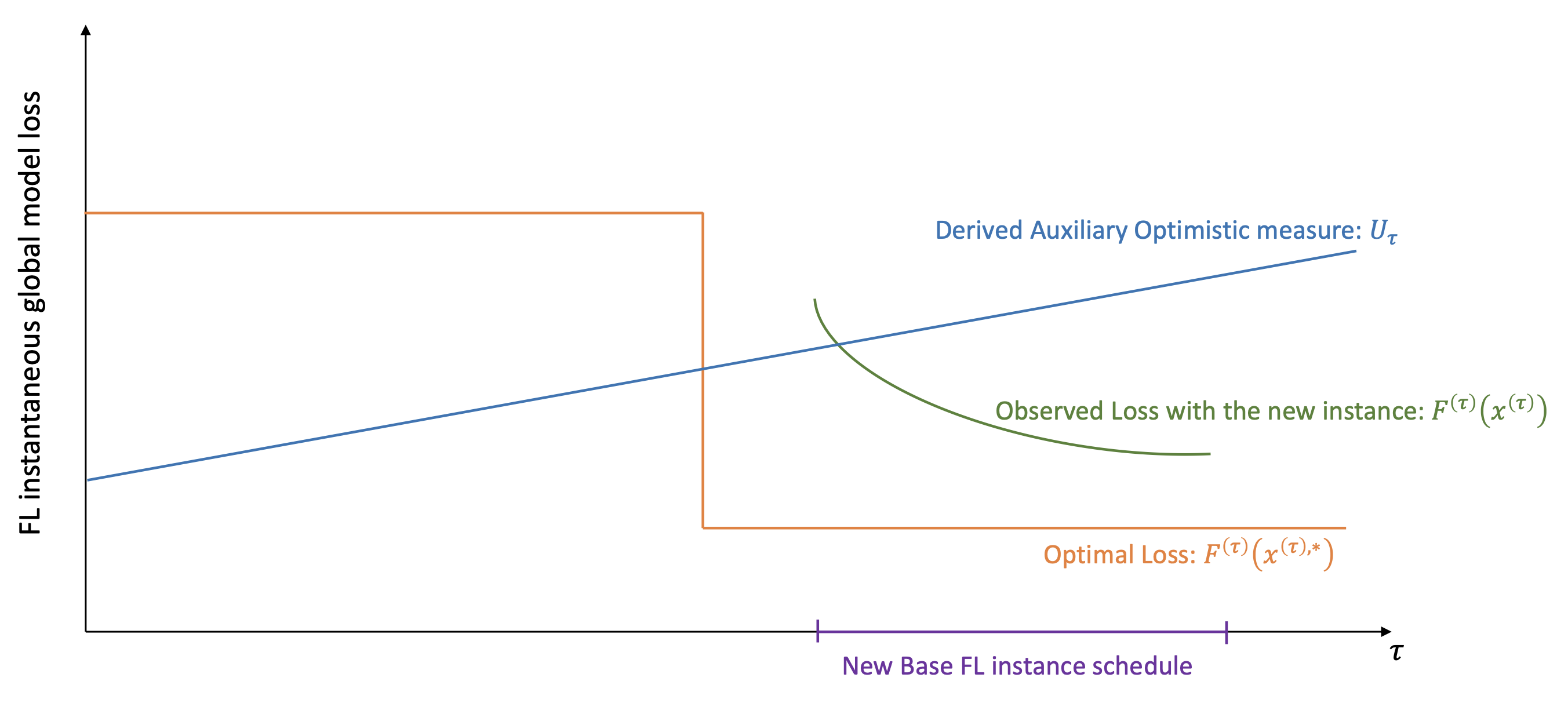
What happens when the data changes after learning begins? MASTER-FL helps distributed models detect shifts and restart training. This visual overview walks through the idea and the experiments—with figures from our paper.
Read the research note ↗